Nordic Glass E27 Pendant Light in 20cm 25cm and Three Shade Labels
- Free worldwide shipping
- Get 10% off on First Order!
In stock, ready to shipOrder now for delivery Nov 20 – Nov 27
Free ShippingOn orders over $20
Est. Delivery7-14 business days
Easy Returns30-day no-hassle
Secure CheckoutSSL encrypted
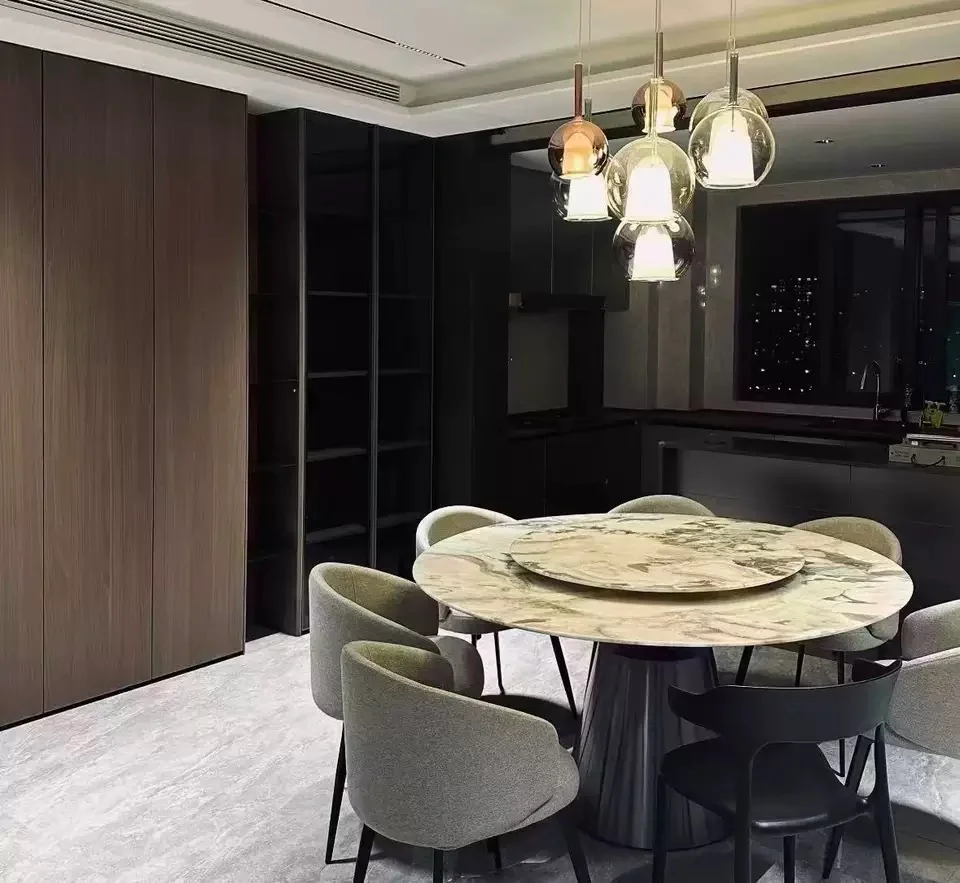
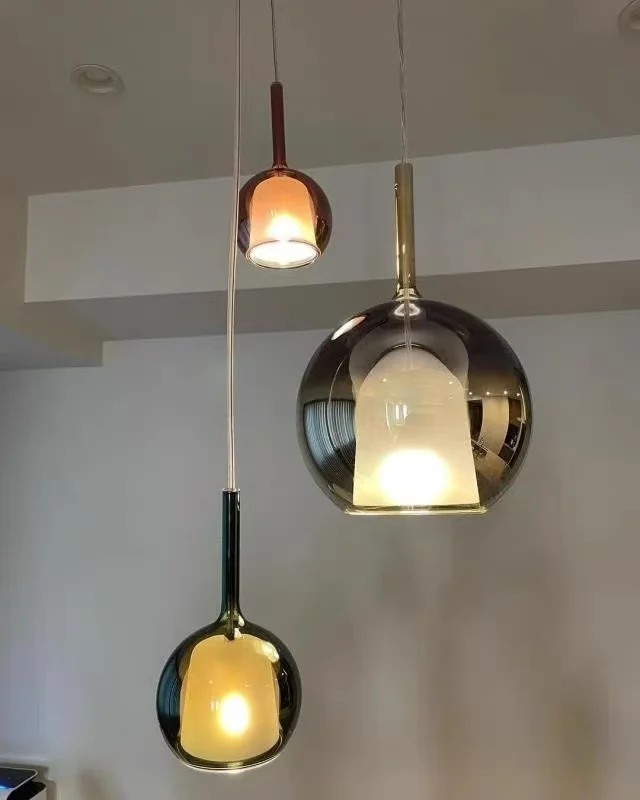
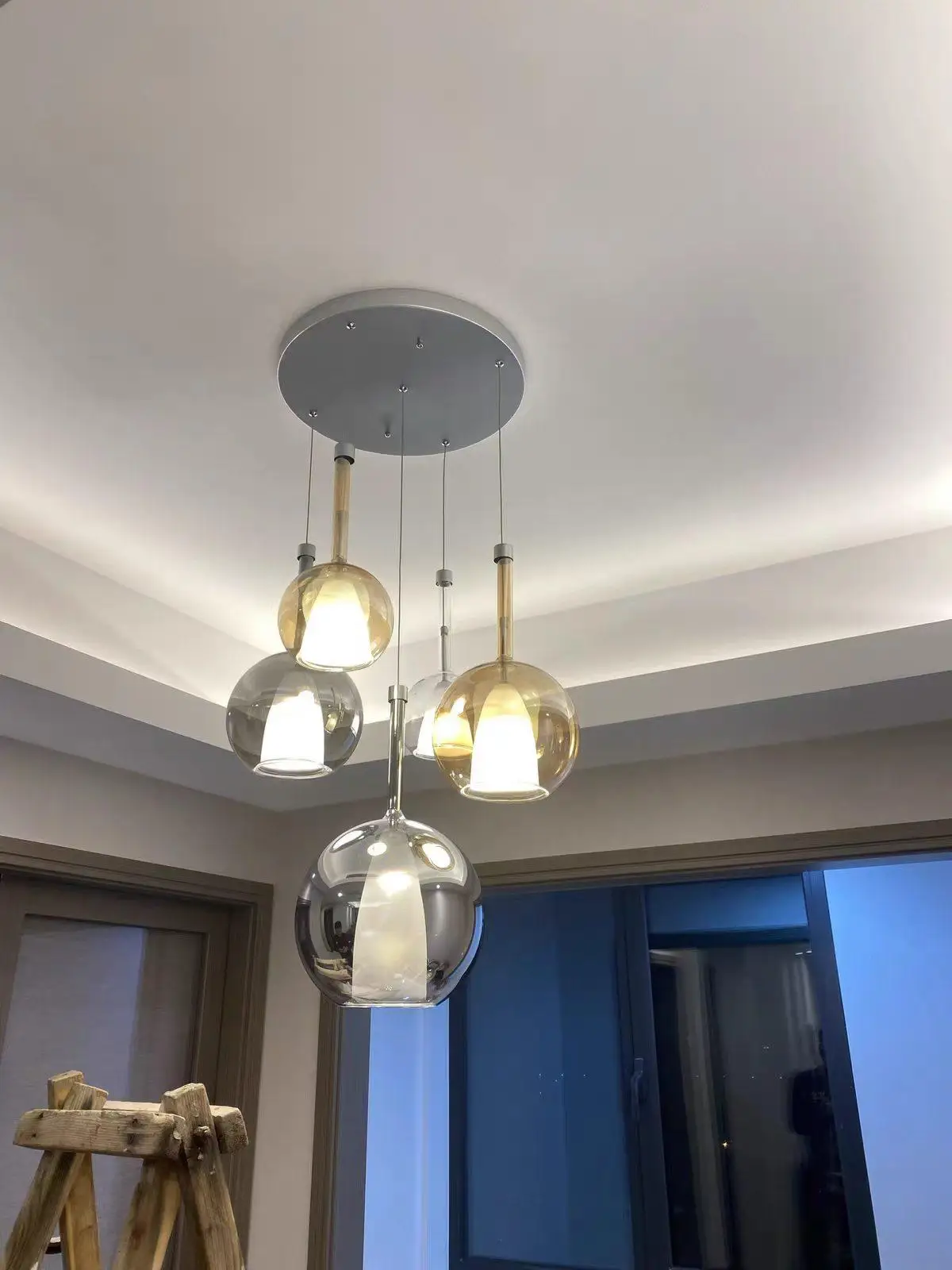
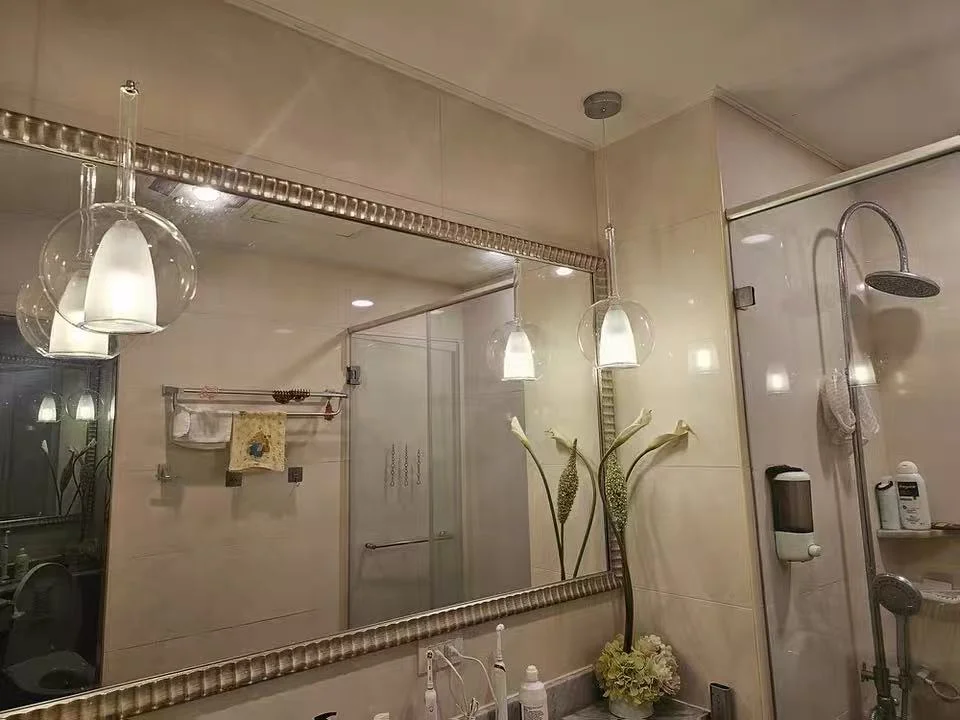
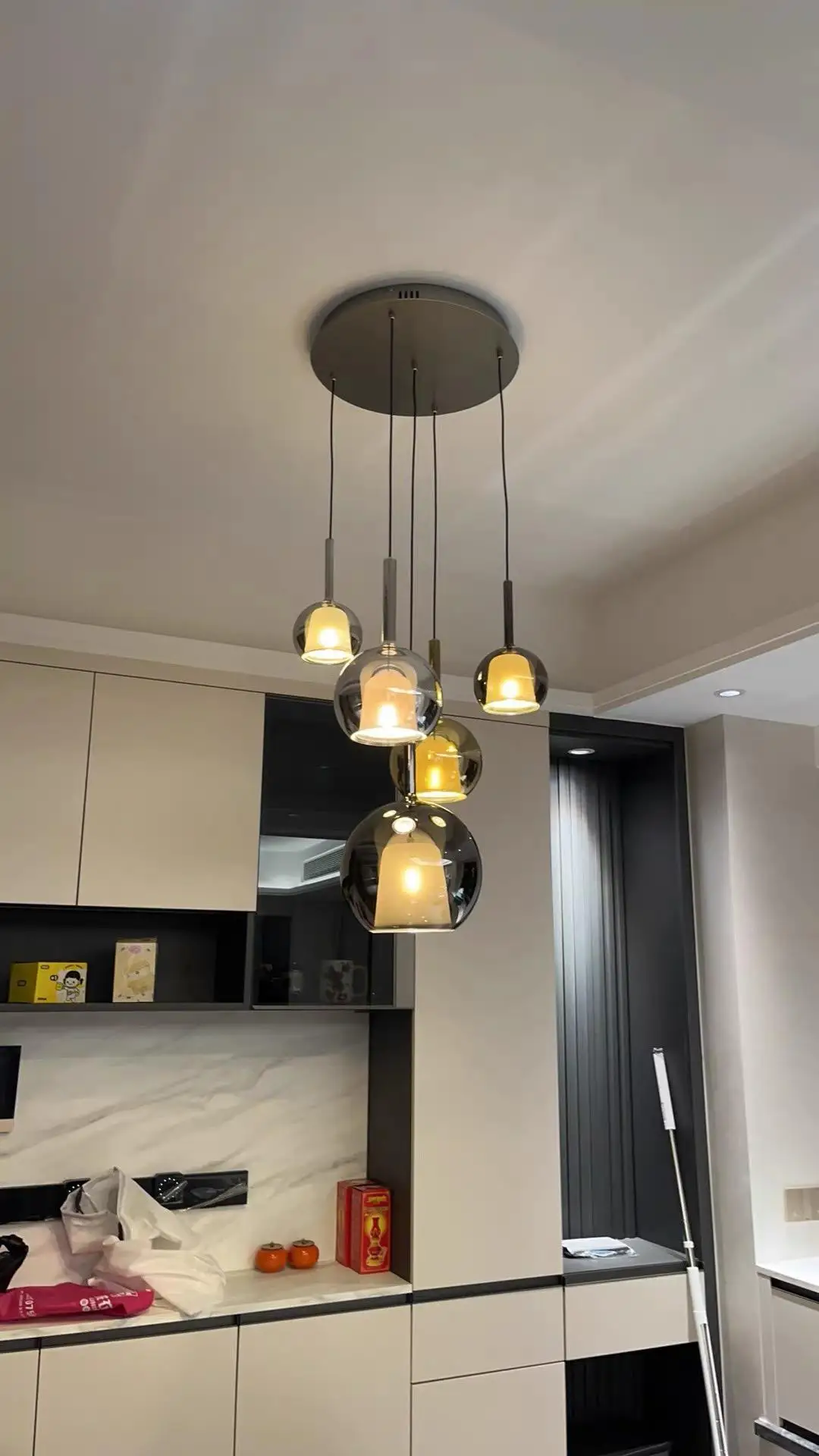
Plan a glass overhead accent with this Nordic-style E27 pendant in selected 20cm or 25cm shade labels. Smoke grey, transparent and amber appearances vary by size, while white and warm light labels remain separate from generic bulb exclusion. Confirm actual source contents, shade and complete drop before fitting. Hand-blown and bubble wording requires selected confirmation and does not establish a verified manufacturing process or blanket condition guarantee.
Product Information
| Current selections | Body Color: 25cm Smoke Grey; 25cm transparent; 25cm amber color; 20cm amber color; 20cm Smoke Grey | Color: white light; warm light |
|---|---|
| Materials and finish | Iron, glass/Glass Stone and plated/nickel descriptions. Current smoke-grey/transparent/amber labels vary by size; older grey/yellow wording is not full mapping. Actual coating, glass composition and claimed blown-glass process need confirmation. |
| Dimensions and mounting | 25cm Smoke Grey/transparent/amber and20cm amber/Smoke Grey choices. Measured axis, full height, weight, canopy, cord and adjustment limits unspecified. |
| Light source and power | One E27 position, bulb excluded, non-dimmable and AC described.90–260V versus110–220V differs. White/warm labels do not prove supplied bulbs; obtain actual source voltage, watts, fit, heat limits and package. |
| Selected-version notes | Cord pendant. Source mentions surface bubbles; obtain actual selected condition rather than assuming all marks are harmless or adopting supplier acceptance terms.5–10m²/efficiency not verified source output; no wet/outdoor approval. |
| Package details to confirm | Selected pendant, bulb inclusion unresolved against light labels. Confirm actual shade, source if any, socket, cord, canopy, mounting parts and guide. |
Key Features
- Two size labels support scale comparison.
- Three shade appearances are listed.
- Glass styling adds an overhead accent.
- E27 fitting is described.
- Cord suspension leaves tabletop surfaces available.
Ideal For / Suitable For
- Dry indoor dining-room, bedside and restaurant decorative plans.
- Glass pendant arrangements with actual source package, drop and structural support verified.
Ordering instructions; Glass lampshades are artificially blown, and there are bubbles of different sizes on the surface of the lampshade,
Cannot avoid it! Does not affect normal use! This is a normal phenomenon, please be cautious if you mind! Thank you for your understanding and support!
Suitable for home decoration lighting fixtures, suitable for 110V-220V voltage,
Cannot avoid it! Does not affect normal use! This is a normal phenomenon, please be cautious if you mind! Thank you for your understanding and support!
Suitable for home decoration lighting fixtures, suitable for 110V-220V voltage,


- Free Worldwide Shipping: Enjoy complimentary shipping on all orders, no matter where you are located.
- Fast Delivery: Expect your order to arrive within 5 to 10 days after dispatch, ensuring you receive your items promptly.
- 15-Day Return Policy: Not satisfied with your purchase? No worries! You have 15 days from the date of delivery to initiate a hassle-free return.
Shop with confidence, knowing that your satisfaction is our priority!