


Butterfly LED Light with One- or Two-Head Pendant and One-Head Wall Options
- Free worldwide shipping
- Get 10% off on First Order!
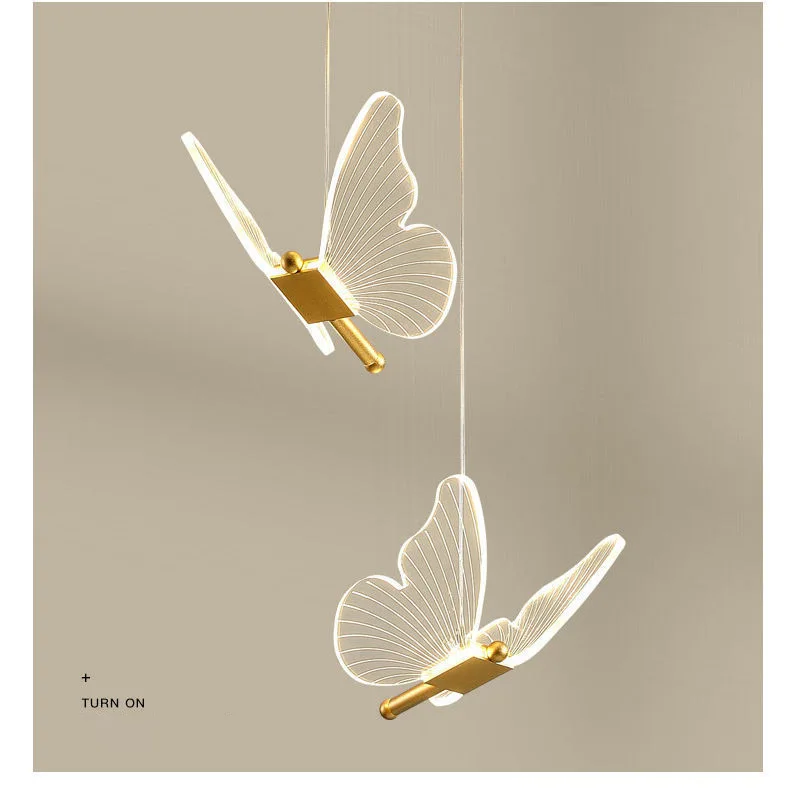
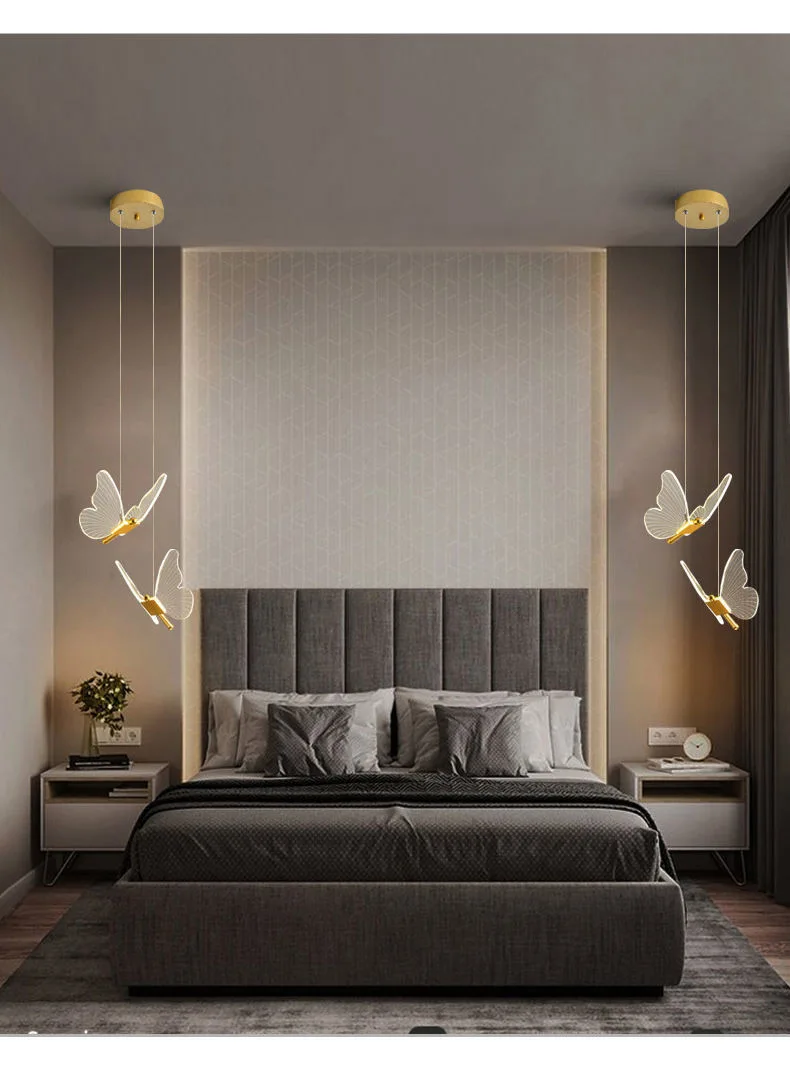
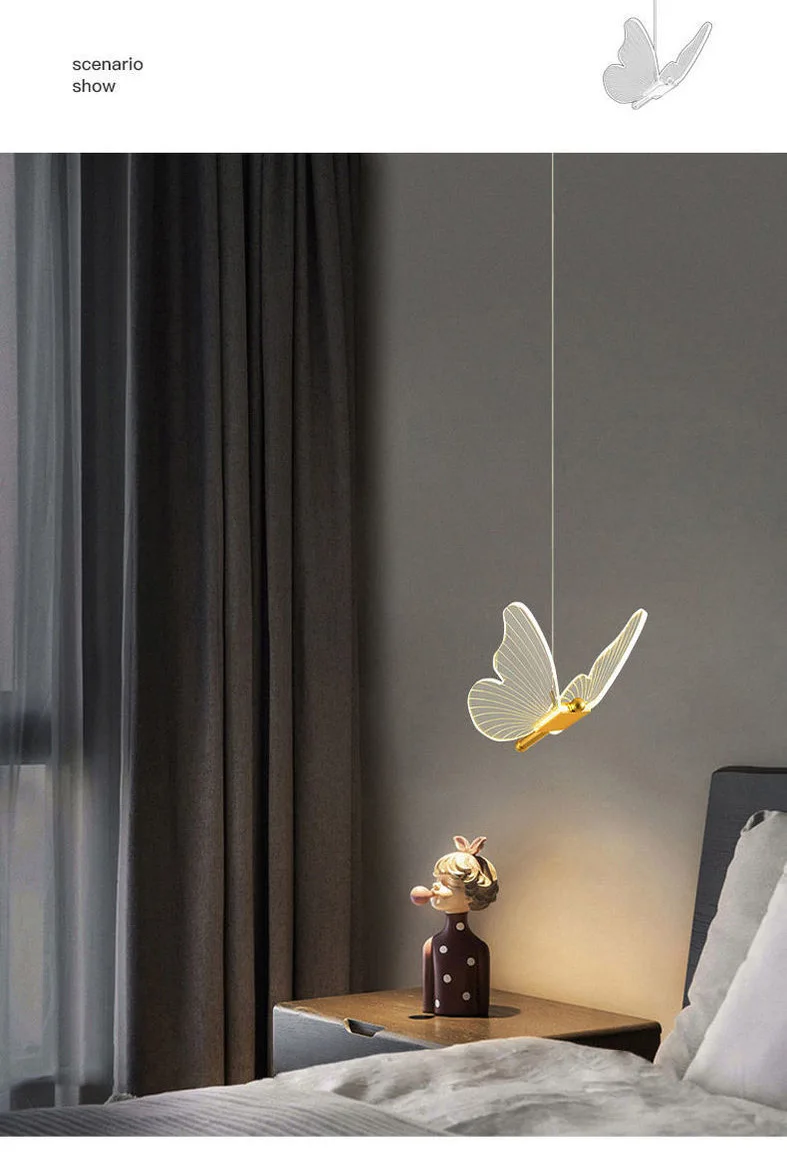
Bring a butterfly-inspired lighting accent to an indoor bedroom or landing layout. Choose a one-head pendant, two-head pendant or one-head wall-lamp configuration to suit the mounting location. Warm White and 3 Light Color labels offer separate lighting choices, with exact controls to confirm before installation.
Key Features
- Three configuration labels: Pendant lamp-1 head, Pendant lamp-2 head and Wall lamp-1 head.
- Warm White or 3 Light Color options.
- Iron lamp body and painted technique listed.
- LED source included according to the listing.
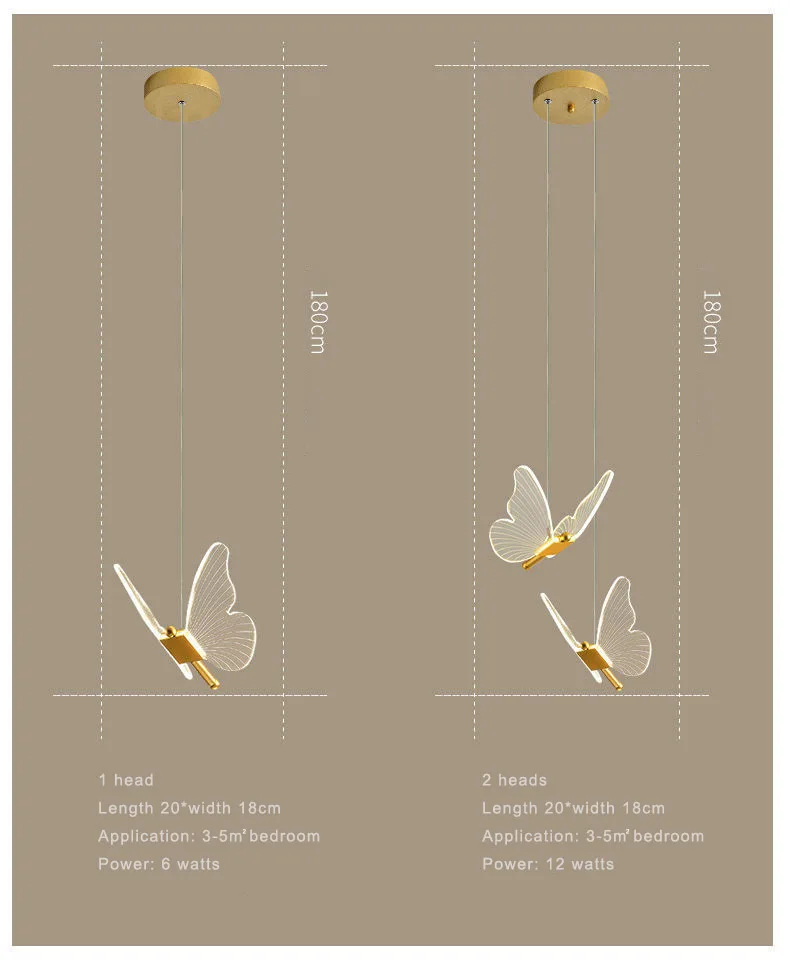
- Adjustable height of 1.8m stated in pendant text; confirm installed drop and applicable version.
Specifications
| Feature | Details |
|---|---|
| Configuration | One- or two-head pendant, or one-head wall lamp. These labels appear under Body Color but identify fixture configurations, not finish choices. They are alternatives, not a set of pendant and wall fixtures. |
| Materials and color | Iron body in detailed text; generic Metal material, Iron finish and Painted technique fields. WHITE lampshade color listed, but exact component colors and shade material are not mapped to configurations. No crystal construction is established by the unrelated supplier promotion. |
| Light source | LED source included listed. Generic one-source and Wedge-base fields do not establish one head on every version or a standard replaceable bulb socket. Follow the selected head-count label and confirm LED assembly, driver and service method. |
| Light tone | Warm White or 3 Light Color selectable labels. Detailed text mentions warm/white/3 color light, but exact Kelvin values, three-tone sequence and switching method are unspecified. A separate fixed-white option is not shown in the returned selector. No RGB or dimming established. |
| Controls | Non-dimmable and not smart listed. Knob switch field conflicts with push-button switch in detailed text; confirm supplied controls and external switching requirements. Knob wording does not establish dimming. No remote or app control promised. |
| Electrical input | AC220V listed. Verify supplied fixture and driver ratings; 110V compatibility is not established. Wattage unspecified in text. |
| Mounting and height | Cord Pendant generic field applies to pendant wording, not automatically to the wall-lamp option. Detailed text says adjustable height 1.8m; confirm maximum and minimum installed drop, cable length and adjustment method for the chosen pendant. Do not apply that height to the wall version. |
| Dimensions and hardware | Fixture width, projection, weight, canopy or wall-plate dimensions and mounting hardware unspecified in text. Confirm connection method; self-contained wording does not establish plug-in installation. |
| Output | Generic 2000–82000 luminous-flux range and 5–10m² coverage are not mapped to configurations. No specific output or whole-room brightness is guaranteed. Supplier 50000-hour service-life wording is not a verified lifespan guarantee. |
Ideal For
Indoor bedside, bedroom, landing or stairwell accent arrangements where the selected fixture type, confirmed size and output suit the space. Have clearances checked around stairs and walking routes; decorative lighting is not a promise of sufficient safety or reading illumination. No outdoor or damp-location rating is established.
In the Box
Selected pendant or wall-lamp configuration with LED source included listed. Head count describes the chosen configuration, not a multipack. Confirm driver, ceiling canopy or wall plate, installation hardware and wiring components. No additional matching fixture, remote, dimmer or plug is promised.
Installation and Care
Have a qualified installer verify ceiling or wall support, electrical ratings, mounting parts and controls using supplied instructions. Adjust pendant height only as permitted. Disconnect power before maintenance and clean gently with a soft dry cloth.





- Free Worldwide Shipping: Enjoy complimentary shipping on all orders, no matter where you are located.
- Fast Delivery: Expect your order to arrive within 5 to 10 days after dispatch, ensuring you receive your items promptly.
- 15-Day Return Policy: Not satisfied with your purchase? No worries! You have 15 days from the date of delivery to initiate a hassle-free return.
Shop with confidence, knowing that your satisfaction is our priority!


